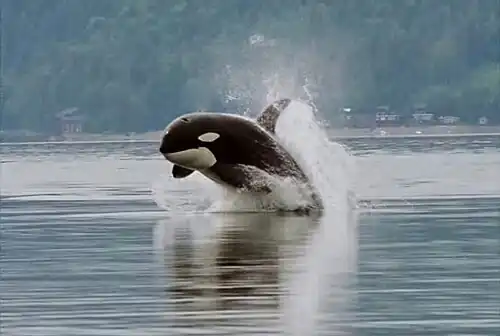
Killer whales (orcas) are highly visible marine apex predators that hunt many large species. However, most marine activity takes place among microscopic organisms that cannot be seen individually with the naked eye, such as marine bacteria and phytoplankton.
Entries here consist of Good and Featured articles, which meet a core set of high editorial standards.
Image 1
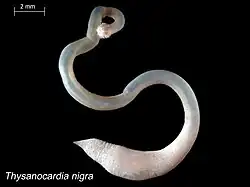
Thysanocardia nigra
The Sipuncula or Sipunculida (common names sipunculid worms or peanut worms) is a class containing about 162 species of marineannelid worms, that have secondarily lost their segmentation. Sipuncula was once considered a phylum of unsegmented worms, but was demoted to a class of Annelida, based on recent molecular work.
Sipunculans vary in size but most species are under 10 cm (4 in) in length. The body is divided into an unsegmented, bulbous trunk and a narrower, anterior section, called the "introvert", which can be retracted into the trunk. The mouth is at the tip of the introvert and is surrounded in most groups by a ring of short tentacles. With no hard parts, the body is flexible and mobile. Although found in a range of habitats throughout the world's oceans, the majority of species live in shallow water habitats, burrowing under the surface of sandy and muddy substrates. Others live under stones, in rock crevices or in other concealed locations. (Full article...)
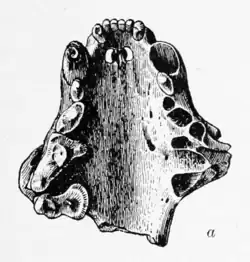
The sea mink (Neogale macrodon) is a recently extinct species of mink that lived on the eastern coast of North America around the Gulf of Maine on the New England seaboard. It was most closely related to the American mink (Neogale vison), with continuing debate about whether or not the sea mink should be considered a subspecies of the American mink (as Neogale vison macrodon) or a species of its own. The main justification for a separate species designation is the size difference between the two minks, but other distinctions have been made, such as its redder fur. The only known remains are bone fragments unearthed in Native American shell middens. Its actual size is speculative, based largely on tooth remains.
The sea mink was first described in 1903, after its extinction; information regarding its external appearance and habits stem from speculation and from accounts made by fur traders and Native Americans. It may have exhibited behavior similar to the American mink, in that it probably maintained home ranges, was polygynandrous, and had a similar diet, though more seaward-oriented. It was probably found on the New England coast and the Maritime Provinces, though its range may have stretched further south during the last glacial period. Conversely, its range may have been restricted solely to the New England coast, specifically the Gulf of Maine, or just to the nearby islands. The largest of the minks, the sea mink was more desirable to fur traders and became extinct in the late 19th or early 20th century. (Full article...)
The sperm whale is a pelagicmammal with a worldwide range, and will migrate seasonally for feeding and breeding. Females and young males live together in groups, while mature males (bulls) live solitary lives outside of the mating season. The females cooperate to protect and nurse their young. Females give birth every four to twenty years and care for the calves for more than a decade. A mature, healthy sperm whale has no natural predators, although calves and weakened adults are sometimes killed by pods of orcas. (Full article...)
Image 5
Cast of a partial Kimberella fossil.
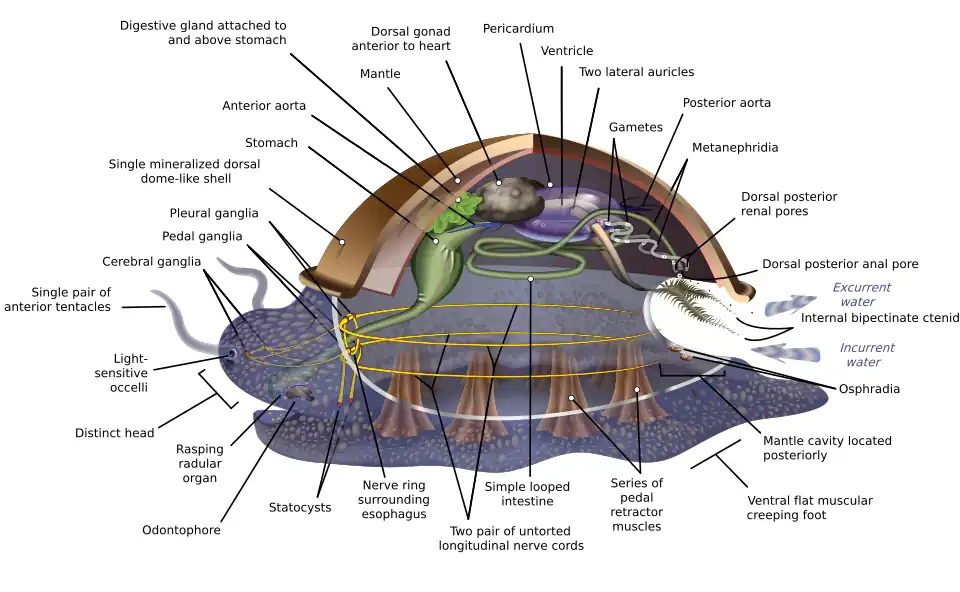
Kimberella is an extinct genus of marine bilaterian known only from rocks of the Ediacaran period. The slug-like organism fed by scratching the microbial surface on which it dwelt in a manner similar to the gastropods, although its affinity with this group is contentious.
Specimens were first found in Australia's Ediacara Hills, but recent research has concentrated on the numerous finds near the White Sea in Russia, which cover an interval of time from 555 to 558 million years ago. As with many fossils from this time, its evolutionary relationships to other organisms are hotly debated. Paleontologists initially classified Kimberella as a type of Cubozoan, but, since 1997, features of its anatomy and its association with scratch marks resembling those made by a radula have been interpreted as signs that it may have been a mollusc. Although some paleontologists dispute its classification as a mollusc, it is generally accepted as being at least a bilaterian. (Full article...)
Seals range in size from the 1 m (3 ft 3 in) and 45 kg (100 lb) Baikal seal to the 5 m (16 ft) and 3,200 kg (7,100 lb) southern elephant seal. Several species exhibit sexual dimorphism. They have streamlined bodies and four limbs that are modified into flippers. Though not as fast in the water as dolphins, seals are more flexible and agile. Otariids primarily use their front limbs to propel themselves through the water, while phocids and walruses primarily use their hind limbs for this purpose. Otariids and walruses have hind limbs that can be pulled under the body and used as legs on land. By comparison, terrestrial locomotion by phocids is more cumbersome. Otariids have visible external ears, while phocids and walruses lack these. Pinnipeds have well-developed senses—their eyesight and hearing are adapted for both air and water, and they have an advanced tactile system in their whiskers or vibrissae. Some species are well adapted for diving to great depths. They have a layer of fat, or blubber, under the skin to keep warm in cold water, and, other than the walrus, all species are covered in fur. (Full article...)
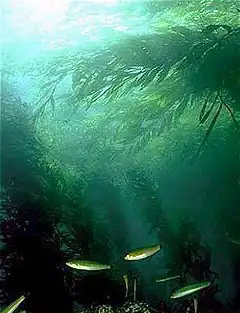
Marine mammal adaptation to an aquatic lifestyle varies considerably between species. Both cetaceans and sirenians are fully aquatic and therefore are obligate water dwellers. Pinnipeds are semiaquatic; they spend the majority of their time in the water but need to return to land for important activities such as mating, breeding and molting. Sea otters tend to live in kelp forests and estuaries. In contrast, the polar bear is mostly terrestrial and only go into the water on occasions of necessity, and are thus much less adapted to aquatic living. The diets of marine mammals vary considerably as well; some eat zooplankton, others eat fish, squid, shellfish, or seagrass, and a few eat other mammals. While the number of marine mammals is small compared to those found on land, their roles in various ecosystems are large, especially concerning the maintenance of marine ecosystems, through processes including the regulation of prey populations. This role in maintaining ecosystems makes them of particular concern as 23% of marine mammal species are currently threatened. (Full article...)
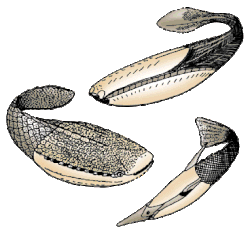
Terropterus was the earliest known and largest mixopterid eurypterid. Fossil specimens referred to T. xiushanensis are estimated to have reached up to 40 centimeters (15.7 in) in length, but other fossils, either representing older T. xiushanensis or a second species of Terropterus, demonstrate that members of the genus could reach upwards of at least 100 centimeters (3.3 ft) in length. Terropterus is the only mixopterid known from the ancient southern continent of Gondwana, with the other two mixopterid genera, Mixopterus and Lanarkopterus, only being known from what was once the northern continent of Laurussia. The discovery of Terropterus significantly expanded the known geographical and temporal ranges of the Mixopteridae. (Full article...)
Image 9
Bottlenose dolphin surfing in the wake of a research boat
Numerous investigations of bottlenose dolphin intelligence have been conducted, examining mimicry, use of artificial language, object categorization, and self-recognition. They can use tools (sponging; using marine sponges to forage for food sources they normally could not access) and transmit cultural knowledge from generation to generation, and their considerable intelligence has driven interaction with humans. Bottlenose dolphins gained popularity from aquarium shows and television programs such as Flipper. They have also been trained by militaries to locate sea mines or detect and mark enemy divers. In some areas, they cooperate with local fishermen by driving fish into their nets and eating the fish that escape. Some encounters with humans are harmful to the dolphins: people hunt them for food, and dolphins are killed inadvertently as a bycatch of tuna fishing and by getting caught in crab traps. (Full article...)
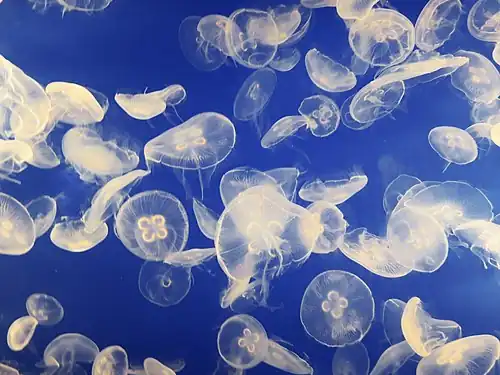
Jellyfish, also known as sea jellies or simply jellies, are the medusa-phase of certain gelatinous members of the subphylumMedusozoa, which is a major part of the phylumCnidaria. Jellyfish are mainly free-swimming marine animals, although a few are anchored to the seabed by stalks rather than being motile. They are made of an umbrella-shaped main body made of mesoglea, known as the bell, and a collection of trailing tentacles on the underside.
Via pulsating contractions, the bell can provide propulsion for locomotion through open water. The tentacles are armed with stinging cells and may be used to capture prey or to defend against predators. Jellyfish have a complex life cycle, and the medusa is normally the sexual phase, which produces planula larvae. These then disperse widely and enter a sedentary polyp phase which may include asexual budding before reaching sexual maturity. (Full article...)
Selected article -
The dominant feature of the planet viewed from space is water – oceans of liquid water flood most of the surface while water vapour swirls in atmospheric clouds and the poles are capped with ice. Taken as a whole, the oceans form a single marine system where liquid water – the "universal solvent" – dissolves nutrients and substances containing elements such as oxygen, carbon, nitrogen and phosphorus. These substances are endlessly cycled and recycled, chemically combined and then broken down again, dissolved and then precipitated or evaporated, imported from and exported back to the land and the atmosphere and the ocean floor. Powered both by the biological activity of marine organisms and by the natural forces of the Sun and tides and movements within the Earth's crust, these are the marine biogeochemical cycles.
Marine biogeochemical cycles are biogeochemical cycles that occur within marine environments, that is, in the saltwater of seas or oceans or the brackish water of coastal estuaries. These biogeochemical cycles are the pathways chemical substances and elements move through within the marine environment. In addition, substances and elements can be imported into or exported from the marine environment. These imports and exports can occur as exchanges with the atmosphere above, the ocean floor below, or as runoff from the land.
Image 3The pelagic food web, showing the central involvement of marine microorganisms in how the ocean imports nutrients from and then exports them back to the atmosphere and ocean floor (from Marine food web)
Image 4A 2016 metagenomic representation of the tree of life using ribosomal protein sequences. The tree includes 92 named bacterial phyla, 26 archaeal phyla and five eukaryotic supergroups. Major lineages are assigned arbitrary colours and named in italics with well-characterized lineage names. Lineages lacking an isolated representative are highlighted with non-italicized names and red dots. (from Marine prokaryotes)
Image 8The deep sea amphipodEurythenes plasticus, named after microplastics found in its body, demonstrating plastic pollution affects marine habitats even 6000m below sea level. (from Marine habitat)
Image 12Phylogenetic tree representing bacterial OTUs from clone libraries and next-generation sequencing. OTUs from next-generation sequencing are displayed if the OTU contained more than two sequences in the unrarefied OTU table (3626 OTUs). (from Marine prokaryotes)
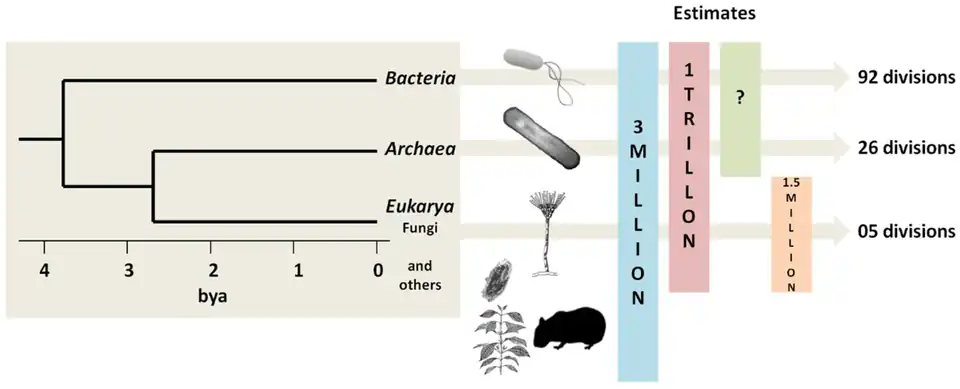
Estimates of microbial species counts in the three domains of life
Bacteria are the oldest and most biodiverse group, followed by Archaea and Fungi (the most recent groups). In 1998, before awareness of the extent of microbial life had gotten underway, Robert M. May estimated there were 3 million species of living organisms on the planet. But in 2016, Locey and Lennon estimated the number of microorganism species could be as high as 1 trillion. (from Marine prokaryotes)
Image 15
Role of fungi in ocean carbon sequestration
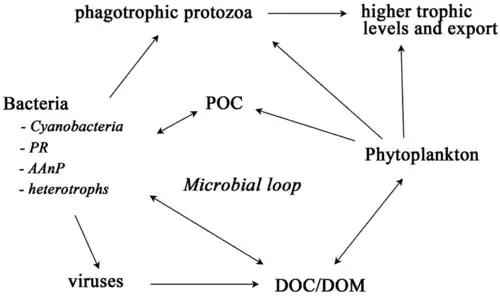
This representation includes the traditionally neglected pelagic fungi, both parasitic and saprotrophic, highlighting the central role played by them, parasitic fungi in the mycoloop, and saprotrophic fungi as active contributors to the microbial loop. As depicted by this diagram, the activity of heterotrophic microbes, including pelagic fungi, has far-reaching global implications for fisheries (i.e., the amount of carbon that will ultimately flow to higher trophic levels) and climate change (i.e., the amount of carbon that will be sequestered in the ocean or respired back to CO2 and the release of other greenhouse gases; e.g., N2O). (from Marine fungi)
Image 24Sandy shores provide shifting homes to many species (from Marine habitat)
Image 25
Mycoloop links between phytoplankton and zooplankton
Chytrid‐mediated trophic links between phytoplankton and zooplankton (mycoloop). While small phytoplankton species can be grazed upon by zooplankton, large phytoplankton species constitute poorly edible or even inedible prey. Chytrid infections on large phytoplankton can induce changes in palatability, as a result of host aggregation (reduced edibility) or mechanistic fragmentation of cells or filaments (increased palatability). First, chytrid parasites extract and repack nutrients and energy from their hosts in form of readily edible zoospores. Second, infected and fragmented hosts including attached sporangia can also be ingested by grazers (i.e. concomitant predation). (from Marine fungi)
Image 28The distribution of anthropogenic stressors faced by marine species threatened with extinction in various marine regions of the world. Numbers in the pie charts indicate the percentage contribution of an anthropogenic stressors' impact in a specific marine region. (from Marine food web)
Image 30Cycling of marine phytoplankton. Phytoplankton live in the photic zone of the ocean, where photosynthesis is possible. During photosynthesis, they assimilate carbon dioxide and release oxygen. If solar radiation is too high, phytoplankton may fall victim to photodegradation. For growth, phytoplankton cells depend on nutrients, which enter the ocean by rivers, continental weathering, and glacial ice meltwater on the poles. Phytoplankton release dissolved organic carbon (DOC) into the ocean. Since phytoplankton are the basis of marine food webs, they serve as prey for zooplankton, fish larvae and other heterotrophic organisms. They can also be degraded by bacteria or by viral lysis. Although some phytoplankton cells, such as dinoflagellates, are able to migrate vertically, they are still incapable of actively moving against currents, so they slowly sink and ultimately fertilize the seafloor with dead cells and detritus. (from Marine food web)
Image 31
Model of the energy generating mechanism in marine bacteria
(1) When sunlight strikes a rhodopsin molecule (2) it changes its configuration so a proton is expelled from the cell (3) the chemical potential causes the proton to flow back to the cell (4) thus generating energy (5) in the form of adenosine triphosphate. (from Marine prokaryotes)
Image 37Topological positions versus mobility: (A) bottom-up groups (sessile and drifters), (B) groups at the top of the food web. Phyto, phytoplankton; MacroAlga, macroalgae; Proto, pelagic protozoa; Crus, Crustacea; PelBact, pelagic bacteria; Echino, Echinoderms; Amph, Amphipods; HerbFish, herbivorous fish; Zoopl, zooplankton; SuspFeed, suspension feeders; Polych, polychaetes; Mugil, Mugilidae; Gastropod, gastropods; Blenny, omnivorous blennies; Decapod, decapods; Dpunt, Diplodus puntazzo; Macropl, macroplankton; PlFish, planktivorous fish; Cephalopod, cephalopods; Mcarni, macrocarnivorous fish; Pisc, piscivorous fish; Bird, seabirds; InvFeed1 through InvFeed4, benthic invertebrate feeders. (from Marine food web)
Image 38
Diagram of a mycoloop (fungus loop)
Parasitic chytrids can transfer material from large inedible phytoplankton to zooplankton. Chytrids zoospores are excellent food for zooplankton in terms of size (2–5 μm in diameter), shape, nutritional quality (rich in polyunsaturated fatty acids and cholesterols). Large colonies of host phytoplankton may also be fragmented by chytrid infections and become edible to zooplankton. (from Marine fungi)
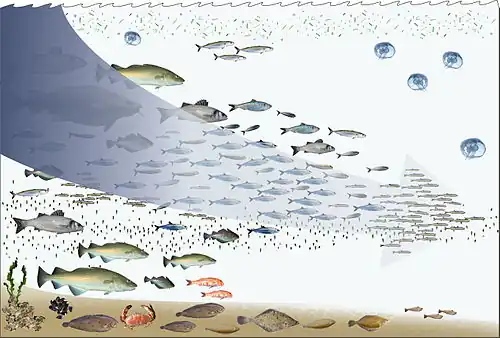
Image 39Oceanic pelagic food web showing energy flow from micronekton to top predators. Line thickness is scaled to the proportion in the diet. (from Marine food web)
Image 40Estuaries occur when rivers flow into a coastal bay or inlet. They are nutrient rich and have a transition zone which moves from freshwater to saltwater. (from Marine habitat)
Image 42640 μm microplastic found in the deep sea amphipod Eurythenes plasticus (from Marine habitat)
Image 43On average there are more than one million microbial cells in every drop of seawater, and their collective metabolisms not only recycle nutrients that can then be used by larger organisms but also catalyze key chemical transformations that maintain Earth's habitability. (from Marine food web)
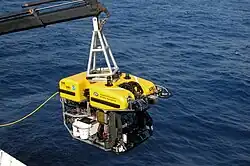
Image 44An in situ perspective of a deep pelagic food web derived from ROV-based observations of feeding, as represented by 20 broad taxonomic groupings. The linkages between predator to prey are coloured according to predator group origin, and loops indicate within-group feeding. The thickness of the lines or edges connecting food web components is scaled to the log of the number of unique ROV feeding observations across the years 1991–2016 between the two groups of animals. The different groups have eight colour-coded types according to main animal types as indicated by the legend and defined here: red, cephalopods; orange, crustaceans; light green, fish; dark green, medusa; purple, siphonophores; blue, ctenophores and grey, all other animals. In this plot, the vertical axis does not correspond to trophic level, because this metric is not readily estimated for all members. (from Marine food web)
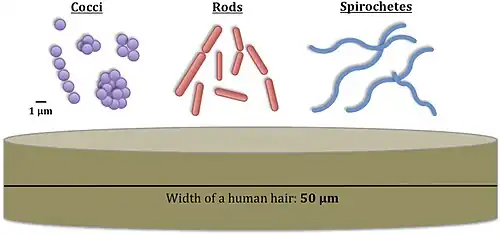
Different bacteria shapes (cocci, rods and spirochetes) and their sizes compared with the width of a human hair. A few bacteria are comma-shaped (vibrio). Archaea have similar shapes, though the archaeon Haloquadratum is flat and square.
The unit μm is a measurement of length, the micrometer, equal to 1/1,000 of a millimeter
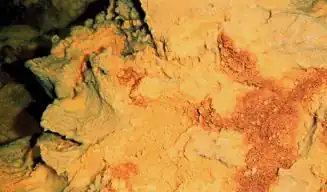
Image 49Archaea were initially viewed as extremophiles living in harsh environments, such as the yellow archaea pictured here in a hot spring, but they have since been found in a much broader range of habitats. (from Marine prokaryotes)
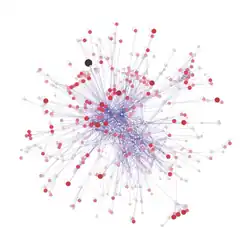
Image 50Antarctic marine food web. Potter Cove 2018. Vertical position indicates trophic level and node widths are proportional to total degree (in and out). Node colors represent functional groups. (from Marine food web)
Image 51Cnidarians are the simplest animals with cells organised into tissues. Yet the starlet sea anemone contains the same genes as those that form the vertebrate head. (from Marine invertebrates)
Image 52Phylogenetic and symbiogenetic tree of living organisms, showing a view of the origins of eukaryotes and prokaryotes (from Marine fungi)
Solar radiation can have positive (+) or negative (−) effects resulting in increases or decreases in the heterotrophic activity of bacterioplankton. (from Marine prokaryotes)
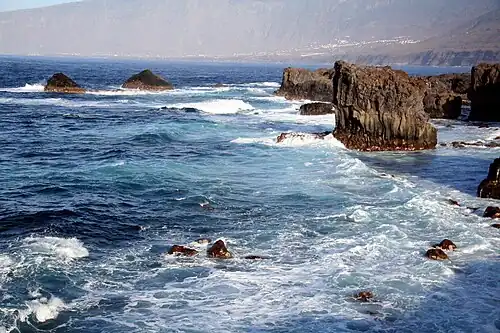
Image 57Waves and currents shape the intertidal shoreline, eroding the softer rocks and transporting and grading loose particles into shingles, sand or mud (from Marine habitat)
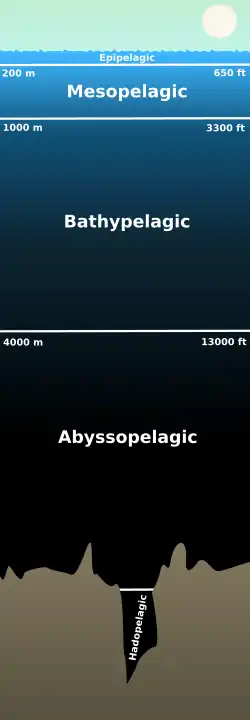
Image 59Some representative ocean animal life (not drawn to scale) within their approximate depth-defined ecological habitats. Marine microorganisms exist on the surfaces and within the tissues and organs of the diverse life inhabiting the ocean, across all ocean habitats. (from Marine habitat)
Image 62In the open ocean, sunlit surface epipelagic waters get enough light for photosynthesis, but there are often not enough nutrients. As a result, large areas contain little life apart from migrating animals. (from Marine habitat)
Image 66Tidepools on rocky shores make turbulent habitats for many forms of marine life (from Marine habitat)
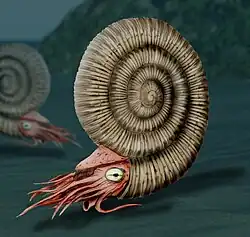
Image 67Reconstruction of an ammonite, a highly successful early cephalopod that first appeared in the Devonian (about 400 mya). They became extinct during the same extinction event that killed the land dinosaurs (about 66 mya). (from Marine invertebrates)
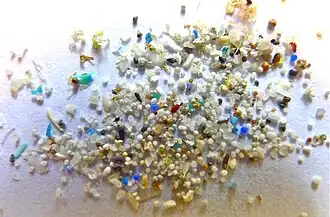
Image 68Microplastics found in sediments on the seafloor (from Marine habitat)
Image 73Marine Species Changes in Latitude and Depth in three different ocean regions(1973–2019) (from Marine food web)
Image 74Sponges have no nervous, digestive or circulatory system (from Marine invertebrates)
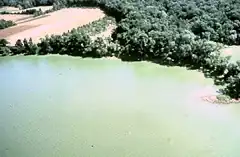
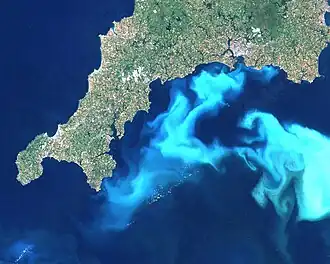
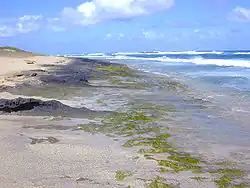
Image 75This algae bloom occupies sunlit epipelagic waters off the southern coast of England. The algae are maybe feeding on nutrients from land runoff or upwellings at the edge of the continental shelf. (from Marine habitat)
Image 77A microbial mat encrusted with iron oxide on the flank of a seamount can harbour microbial communities dominated by the iron-oxidizing Zetaproteobacteria (from Marine prokaryotes)
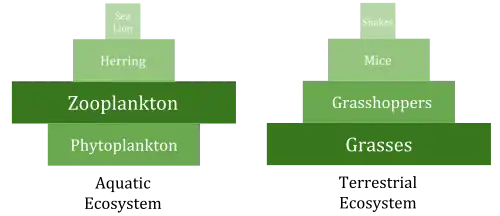
Image 83Food web structure in the euphotic zone. The linear food chain large phytoplankton-herbivore-predator (on the left with red arrow connections) has fewer levels than one with small phytoplankton at the base. The microbial loop refers to the flow from the dissolved organic carbon (DOC) via heterotrophic bacteria (Het. Bac.) and microzooplankton to predatory zooplankton (on the right with black solid arrows). Viruses play a major role in the mortality of phytoplankton and heterotrophic bacteria, and recycle organic carbon back to the DOC pool. Other sources of dissolved organic carbon (also dashed black arrows) includes exudation, sloppy feeding, etc. Particulate detritus pools and fluxes are not shown for simplicity. (from Marine food web)
Image 91Conceptual diagram of faunal community structure and food-web patterns along fluid-flux gradients within Guaymas seep and vent ecosystems. (from Marine food web)
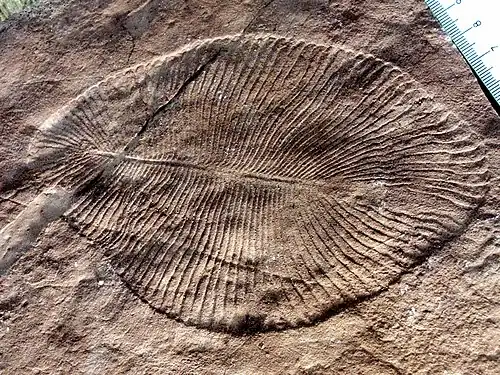
Image 92Dickinsonia may be the earliest animal. They appear in the fossil record 571 million to 541 million years ago. (from Marine invertebrates)
Image 93Ocean surface chlorophyll concentrations in October 2019. The concentration of chlorophyll can be used as a proxy to indicate how many phytoplankton are present. Thus on this global map green indicates where a lot of phytoplankton are present, while blue indicates where few phytoplankton are present. – NASA Earth Observatory 2019. (from Marine food web)
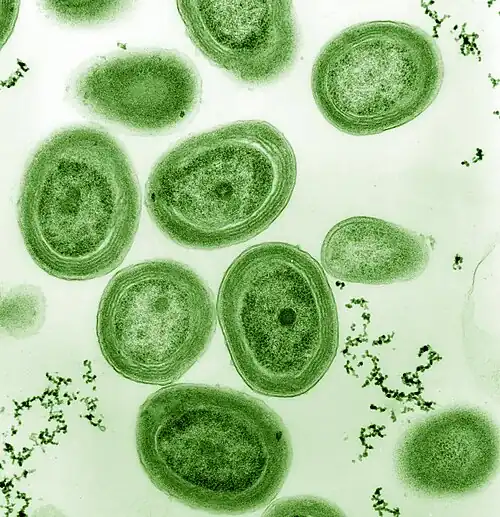
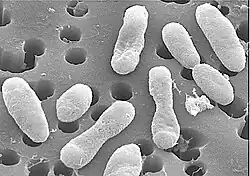
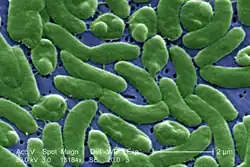
Image 100Scanning electron micrograph of a strain of Roseobacter, a widespread and important genus of marine bacteria. For scale, the membrane pore size is 0.2μm in diameter. (from Marine prokaryotes)
Image 106Conference events, such as the events hosted by the United Nations, help to bring together many stakeholders for awareness and action. (from Marine conservation)
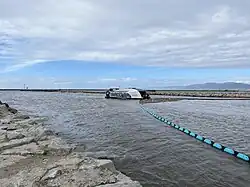
Image 107The Ocean Cleanup is one of many organizations working toward marine conservation such at this interceptor vessel that prevents plastic from entering the ocean. (from Marine conservation)
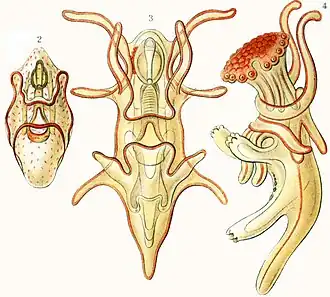
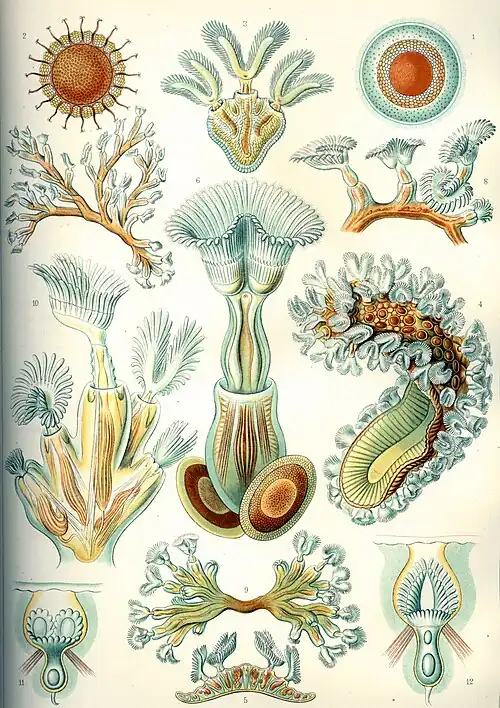
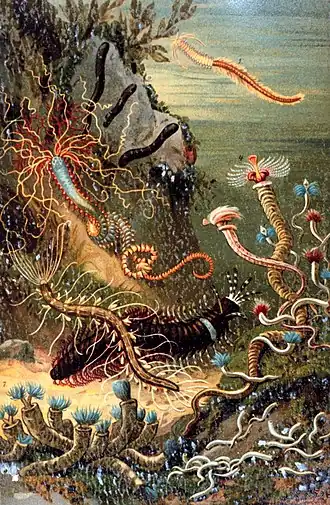
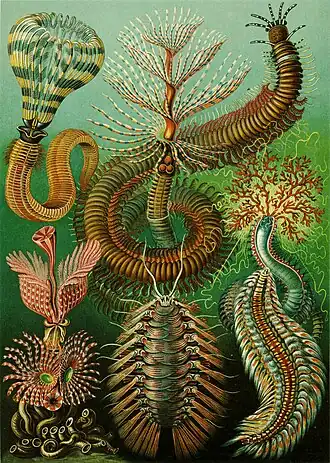
Image 113Ernst Haeckel's 96th plate, showing some marine invertebrates. Marine invertebrates have a large variety of body plans, which are currently categorised into over 30 phyla. (from Marine invertebrates)
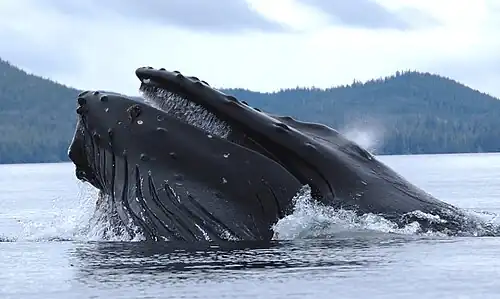
Image 114Whales were close to extinction until legislation was put in place. (from Marine conservation)
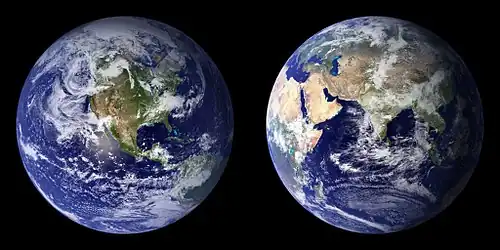
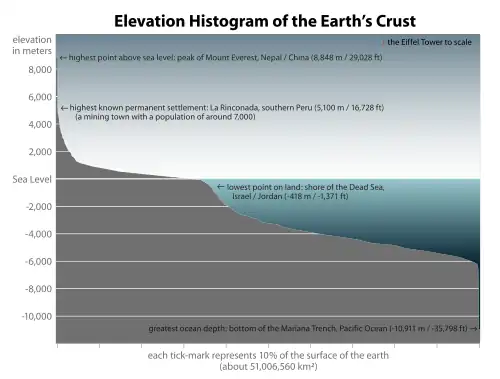
Image 116Only 29 percent of the world surface is land. The rest is ocean, home to the marine habitats. The oceans are nearly four kilometres deep on average and are fringed with coastlines that run for nearly 380,000 kilometres.
Image 118Chytrid parasites of marine diatoms. (A) Chytrid sporangia on Pleurosigma sp. The white arrow indicates the operculate discharge pore. (B) Rhizoids (white arrow) extending into diatom host. (C) Chlorophyll aggregates localized to infection sites (white arrows). (D and E) Single hosts bearing multiple zoosporangia at different stages of development. The white arrow in panel E highlights branching rhizoids. (F) Endobiotic chytrid-like sporangia within diatom frustule. Bars = 10 μm. (from Marine fungi)
Image 119Common-enemy graph of Antarctic food web. Potter Cove 2018. Nodes represent basal species and links indirect interactions (shared predators). Node and link widths are proportional to number of shared predators. Node colors represent functional groups. (from Marine food web)
Image 121Schematic representation of the changes in abundance between trophic groups in a temperate rocky reef ecosystem. (a) Interactions at equilibrium. (b) Trophic cascade following disturbance. In this case, the otter is the dominant predator and the macroalgae are kelp. Arrows with positive (green, +) signs indicate positive effects on abundance while those with negative (red, -) indicate negative effects on abundance. The size of the bubbles represents the change in population abundance and associated altered interaction strength following disturbance. (from Marine food web)
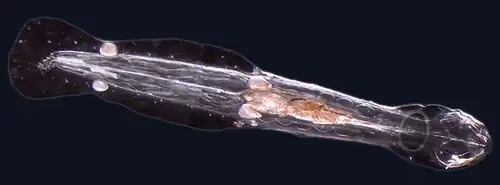
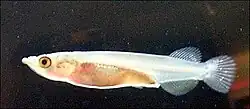
Image 124Halfbeak as larvae are one of the organisms adapted to the unique properties of the microlayer (from Marine habitat)
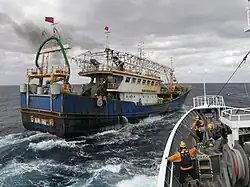
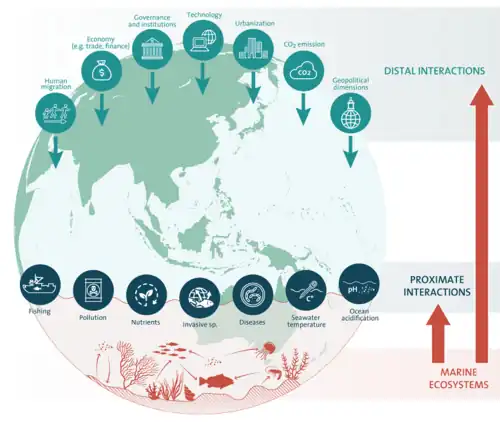
Image 125Anthropogenic stressors to marine species threatened with extinction (from Marine food web)
Image 126Elevation-area graph showing the proportion of land area at given heights and the proportion of ocean area at given depths (from Marine habitat)
General images -
The following are images from various marine life-related articles on Wikipedia.
Image 1General characteristics of a large marine ecosystem (Gulf of Alaska) (from Marine ecosystem)
Image 5Global map of large marine ecosystems. Oceanographers and biologists have identified 66 LMEs worldwide. (from Marine ecosystem)
Image 6Ecosystem services delivered by epibenthicbivalve reefs. Reefs provide coastal protection through erosion control and shoreline stabilization, and modify the physical landscape by ecosystem engineering, thereby providing habitat for species by facilitative interactions with other habitats such as tidal flat benthic communities, seagrasses and marshes. (from Marine ecosystem)
... that a person required intensive care after being splashed with salt water by a beluga whale?
... that the parasitic copepod Driocephalus cerebrinoxius burrows into the brains of sharks through their noses?
... that Japanese businessman Yasuyoshi Kato used embezzled funds to support his wife, who bought twenty Arabian horses, several emus, llamas, potbellied pigs, miniature cattle, and nurse sharks?
... that a sensational story in 1888 claimed that James Wickham, a British scientist, introduced two whales to the Great Salt Lake in an attempt to start a whale oil industry?
... that for 25 years after an attempt to explode a whale went awry, the Oregon TV station that filmed it regularly fielded requests for its footage?
... that judge Coral Shaw announced her second retirement live on radio?
... the Beluga Whale's milkfat is so high, the calf gains up to 2 kilograms per day on the diet. It is so fatty that the colour is green.
... The ancient Greek scientist and writer Aristotle studied and wrote about how sharks mate over 2300 years ago.
... there are probably types of cetaceans that are as yet unknown. For example, the Longman's beaked whale is only known from skulls washed ashore in Somalia and Australia. It has never been seen alive!
... Until the late 16th century sharks were usually referred to in the English language as sea-dogs. The name "Shark" first came into use around the late 1560s to refer to the large sharks of the Caribbean Sea.
... the Blue Whale has the largest penis of any animal on earth, estimated at over 2 m (more than 6½ feet)
Fish: Fish - Bony fish - Lobe-finned fish - Ray-finned fish - Cartilaginous fish - Electric fish - Fish diseases - Rays - Sharks - Extinct fish - Fictional fish - Fisheries science - Fishing - Fishkeeping - Live-bearing fish
Cuttlefish are marine animals of the orderSepiida belonging to the Cephalopodaclass (which also include squids, octopuses and nautilus). Although the name suggests it, cuttlefish are not fish, but molluscs. Cuttlefish have an internal shell, large eyes, and eight arms and two tentacles furnished with denticulated suckers, by means of which they secure their prey.



.jpg)

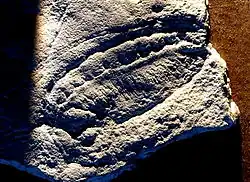
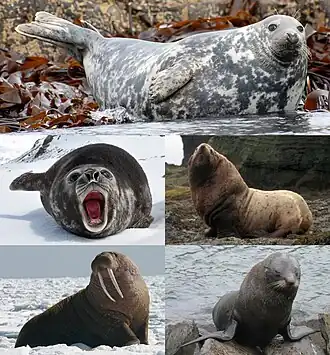


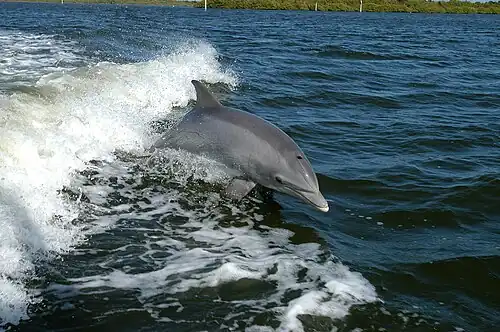
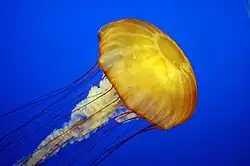

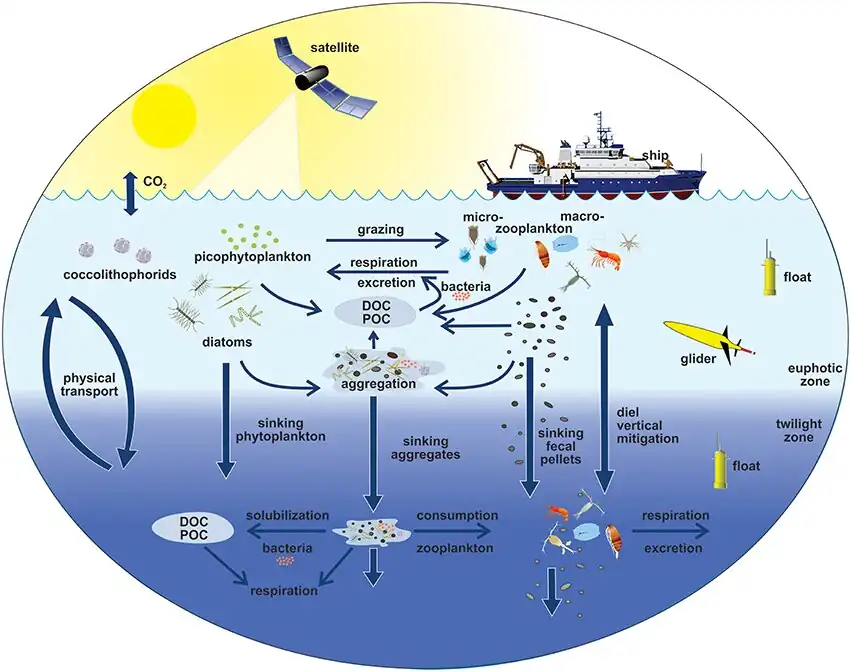
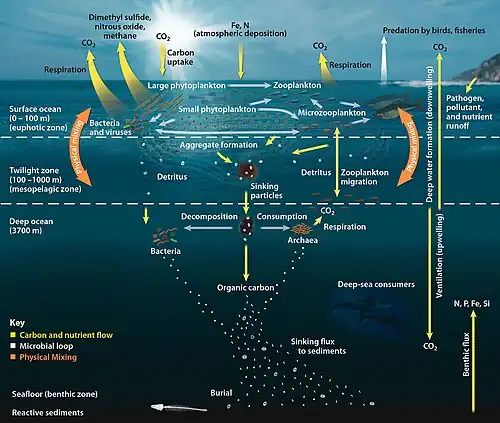


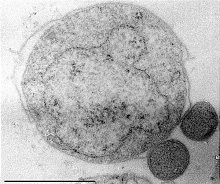
_Figure_4_(cropped-female).jpg)




![Image 19Pennate diatom from an Arctic meltpond, infected with two chytrid-like [zoo-]sporangium fungal pathogens (in false-colour red). Scale bar = 10 μm. (from Marine fungi)](./_assets_/0c70a452f799bfe840676ee341124611/Pennate_diatom_infected_with_two_chytrid-like_fungal_pathogens.png)
_-_geograph.org.uk_-_785899.jpg)
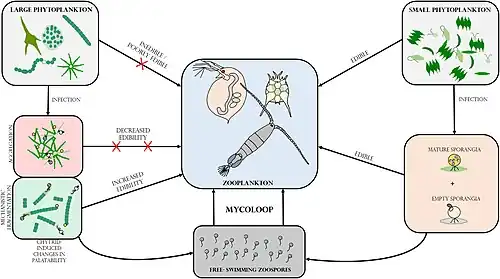

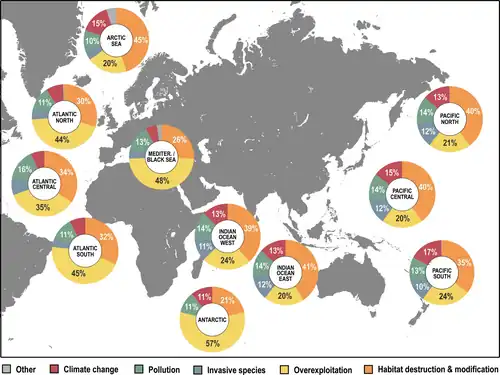
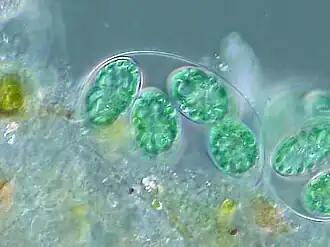
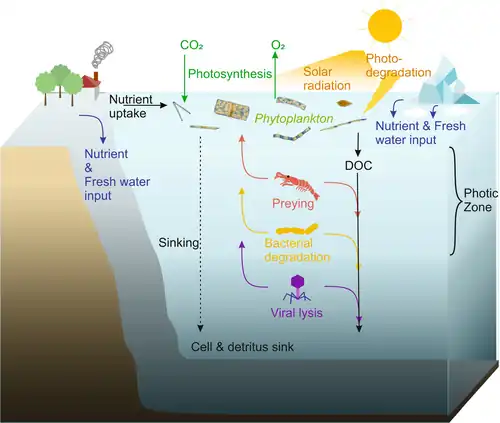



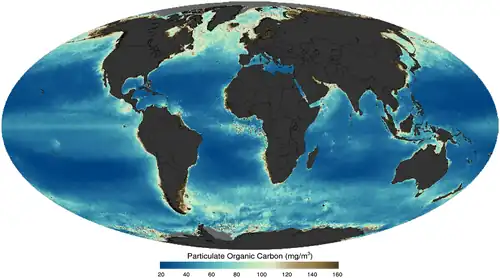


_Figure_3.jpg)





_999_(30695685804).jpg)

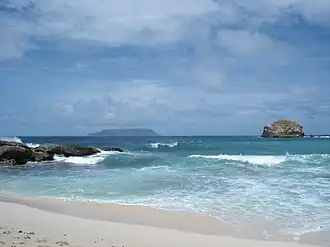
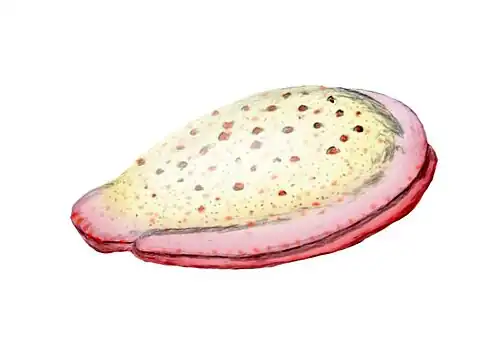



.jpg)
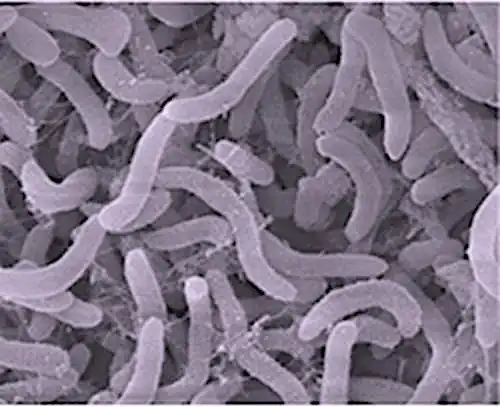

.jpg)

.png)





.jpg)





.jpg)







.jpeg)












 See also
 Commons
 Wikibooks
 Wikidata
 Wikinews
 Wikiquote
 Wikisource
 Wikiversity
 Wiktionary
 The Wikiproject associated with this portal is the Marine Life WikiProject

 List of all portals




 Random portal
 WikiProject Portals