Cannabis (/ˈkænəbɪs/ⓘ) is a genus of flowering plants in the family Cannabaceae that is widely accepted as being indigenous to and originating from the continent of Asia. However, the number of species is disputed, with as many as three species being recognized: Cannabis sativa, C. indica, and C. ruderalis. Alternatively, C. ruderalis may be included within C. sativa, or all three may be treated as subspecies of C. sativa, or C. sativa may be accepted as a single undivided species.
The plant is also known as hemp, although this term is usually used to refer only to varietiescultivated for non-drug use. Hemp has long been used for fibre, seeds and their oils, leaves for use as vegetables, and juice. Industrial hemp textile products are made from cannabis plants selected to produce an abundance of fibre.
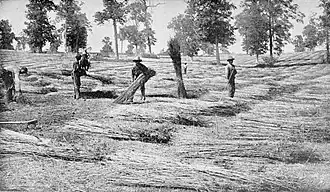
Kentucky was the greatest producer of hemp in the United States during the 19th and 20th centuries, when it was the source of three fourths of U.S. hemp fiber. Production started to decline after World War I due to the rise of tobacco as the cash crop in Kentucky and the foreign competition of hemp fibers and finished products. In 1970, federal policies virtually banned the production of industrial hemp during the war on drugs saying all Cannabis sativa is a Schedule I controlled substance. Federal law under the Agricultural Act of 2014 allowed research back into hemp. Kentucky began production again with 33 acres in 2014. As of the 2016 harvest season, only two U.S. states other than Kentucky had over 100 acres (40 ha) in hemp production: Colorado and Tennessee. The first 500-acre commercial crop was planted in Harrison County in 2017, and research permits were issued for over 12,000 acres (4,900 ha) that year. The 2016 documentary Harvesting Liberty concerns the 21st century Kentucky hemp industry. (Full article...)
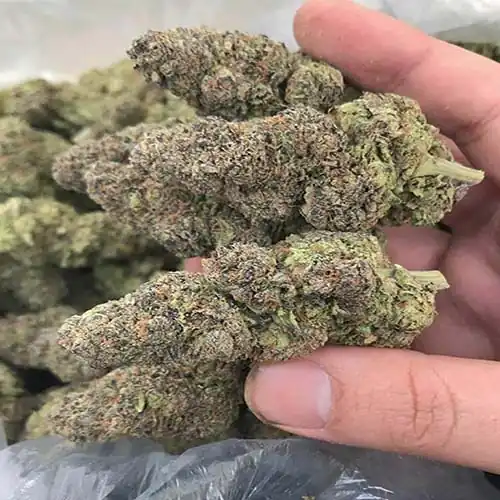
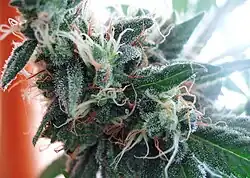
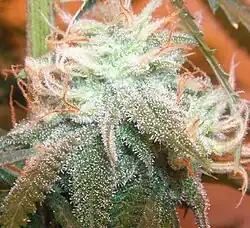
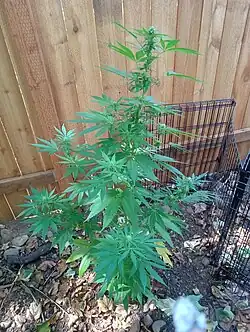
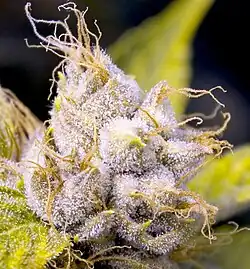
Image 3Indoor grown Acapulco Gold female plant in final stages of flowering (from Cannabis)
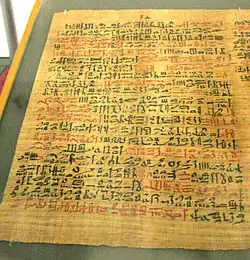
Image 4The Ebers Papyrus (c. 1550 BCE) from Ancient Egypt has a prescription for medical marijuana applied directly for inflammation. (from Medical cannabis)
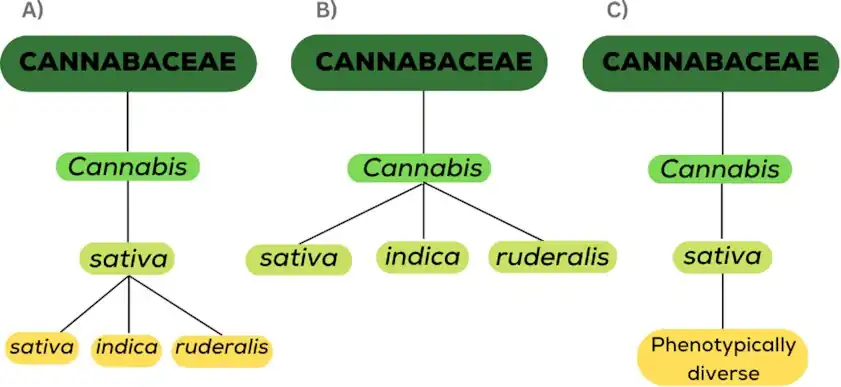
Image 17Three theories of classification for Cannabis. From left to right, monotypic with three subspecies (A), polytypic consisting of up to three species (B), and single phenotypically diverse species (C). (from Cannabis)
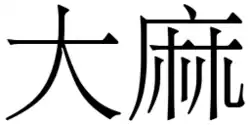
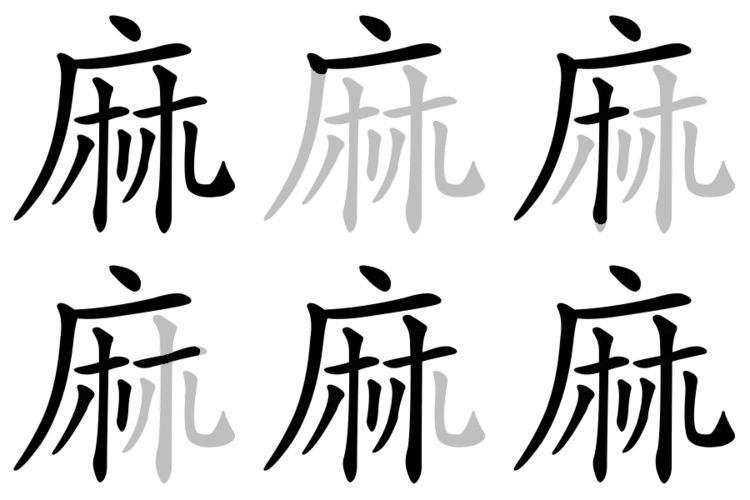
Image 26The use of cannabis, at least as fiber, has been shown to go back at least 10,000 years in Taiwan. "Dà má" (Pinyin pronunciation) is the Chinese expression for cannabis, the first character meaning "big" and the second character meaning "hemp". (from Medical cannabis)
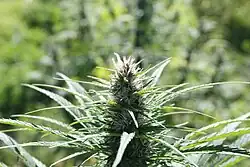
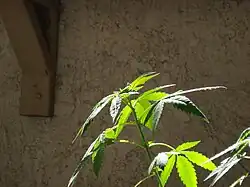
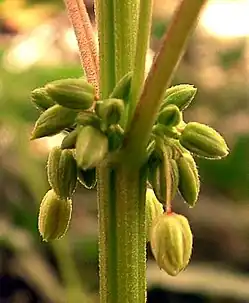
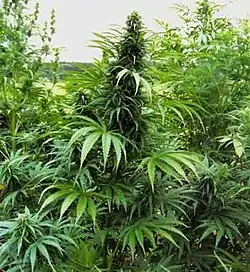
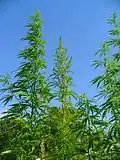
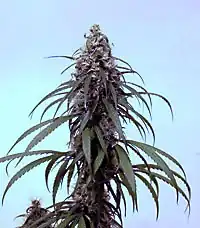
Image 27Top of Cannabis plant in vegetative growth stage (from Cannabis)
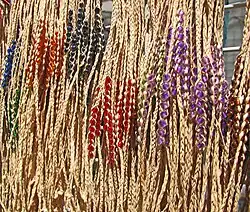
Image 59The Chinese character for hemp (麻 or má) depicts two plants under a shelter. Notably, the same character also means "numb". Cannabis cultivation dates back at least 3000 years in Taiwan. (from History of cannabis)
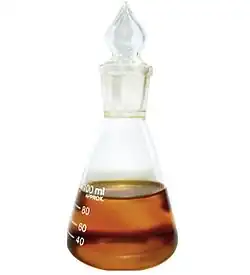
Image 61Cannabis indica fluid extract, American Druggists Syndicate, pre-1937 (from History of cannabis)
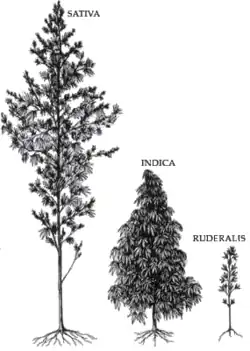
Image 62The variety of appearances for cannabis. Only C. sativa (left) is suited for industrial hemp, but it also has medicinal varieties. (from Hemp)
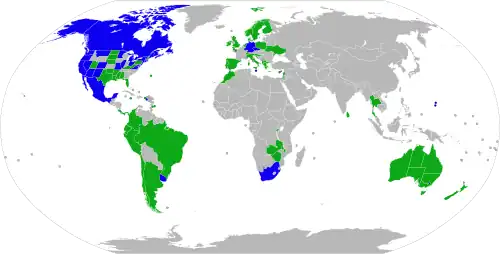
Image 63Legal status of (whole-plant) medical cannabis worldwide (only de jure; may not reflect actual access in these countries)----
Legal as authorized by a physician
Legal for any use (no prescription required)
----See also countries that have decriminalized or where enforcement is limited. (from Medical cannabis)
Did you know...
... that in 2025, the world commemorates the "Centenary of Cannabis Prohibition" which marks a 100 years since cannabis was first listed as a controlled drug under international treaties?
North Macedonianpolice seize 28 tonnes of cannabis, the largest such haul in the country, from former industrial sites in Skopje and Strumica, link the operation to a recent five-tonne seizure in Serbia, and state that the material originated from licensed medicinal-growing facilities but was diverted for unauthorized use. (Reuters)





.jpg)










.jpg)
.jpg)

.jpg)




._Circa_1925_(Archivo_Bibliothecas_Archivumque_ex_Legationis_Cannabis).jpg)
.png)
.png)